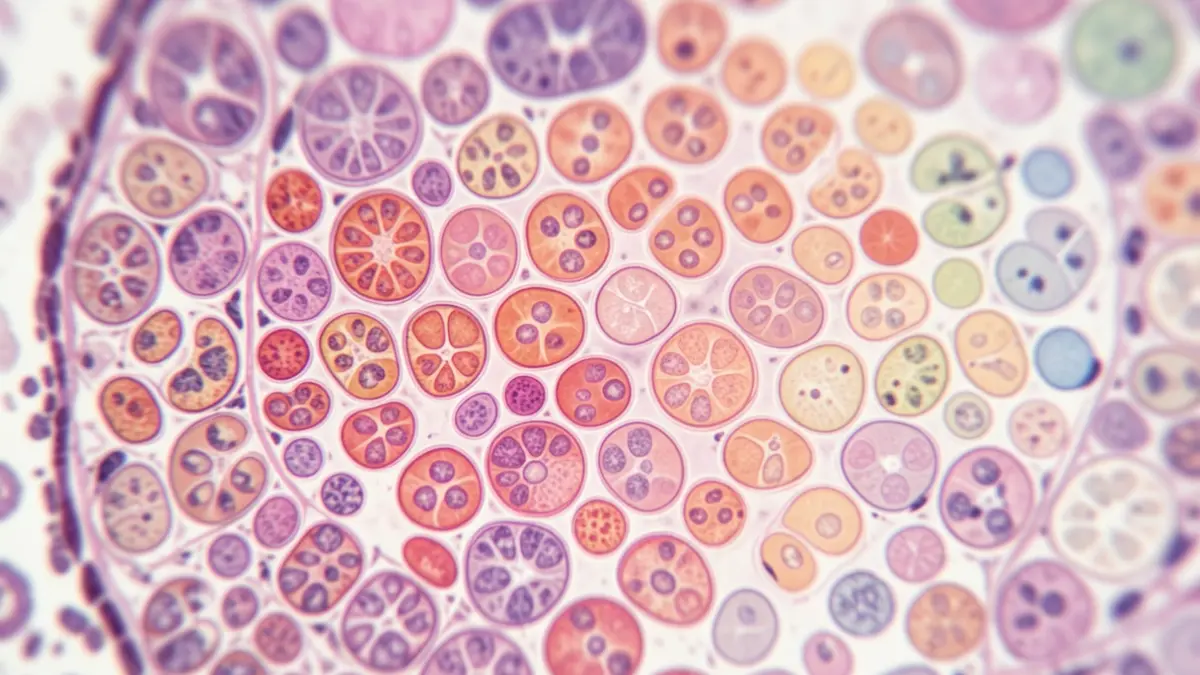
A groundbreaking study published in Nature by researchers from the Université libre de Bruxelles (ULB), led by Prof. Cédric Blanpain, has revealed significant differences in skin stem cell renewal between female and male mice. These sex hormone-controlled differences also impact the speed of wound healing.
Using advanced microscopy to film cells through the skin of live mice for five months, the team observed that skin stem cells go through an intermediate stage before specializing. They found that in females, this process is more coordinated, while in males, it follows a more individual rhythm, influenced by testosterone and estrogen.
The research indicates that testosterone, more abundant in males, regulates cell maturation, while estrogen, more prevalent in females, stimulates stem cell multiplication and coordination. These mechanisms, also observed in lab-reconstituted human skin, could lead to personalized treatments for burns, chronic wounds, or skin cancer prevention.
Prof. Cédric Blanpain highlights that this discovery "opens up a series of new questions, from the fundamental biology of stem cells to very clinical issues, such as wound healing, cancer development, and autoimmune diseases. Sex is a parameter too often overlooked in biology and medicine."
This international study was supported by various institutions, including the FNRS, TELEVIE, the WEL Research Institute, and the European Research Council (ERC).