
Over the past forty years, the Neonatology Department of the Queen Fabiola University Children's Hospital (HUDERF), located in Brussels, has witnessed profound medical and human revolutions. These advancements have significantly improved the care of newborns, particularly those born prematurely or with serious conditions from birth.
Modern neonatology, a relatively young discipline, has expanded its capabilities far beyond mere survival. Significant progress in surgery, imaging, genetics, nutrition, and assisted ventilation now allows for the management of increasingly complex cases. Prof. Aline Vuckovic, current director of the H.U.B Neonatology Department, highlights this dual evolution: 'Our profession is highly technological, but with a human face.'
The history of neonatology at HUDERF is rooted in the university pediatric tradition. The hospital's opening in 1986 marked a change in scale, bringing together various pediatric medical and surgical expertise on a single site. Major breakthroughs such as the administration of surfactant to combat respiratory distress in very premature infants, and the use of prenatal corticosteroids to promote fetal lung maturation, have considerably improved outcomes.
From the 1990s onwards, a better understanding of newborn brain development led to the emergence of developmental care. Infant environments are now adapted to their sleep-wake cycles, noise and light are reduced, and increased attention is paid to comfort, positioning, and pain management. The baby's reactions and behavior have become key indicators for guiding care.
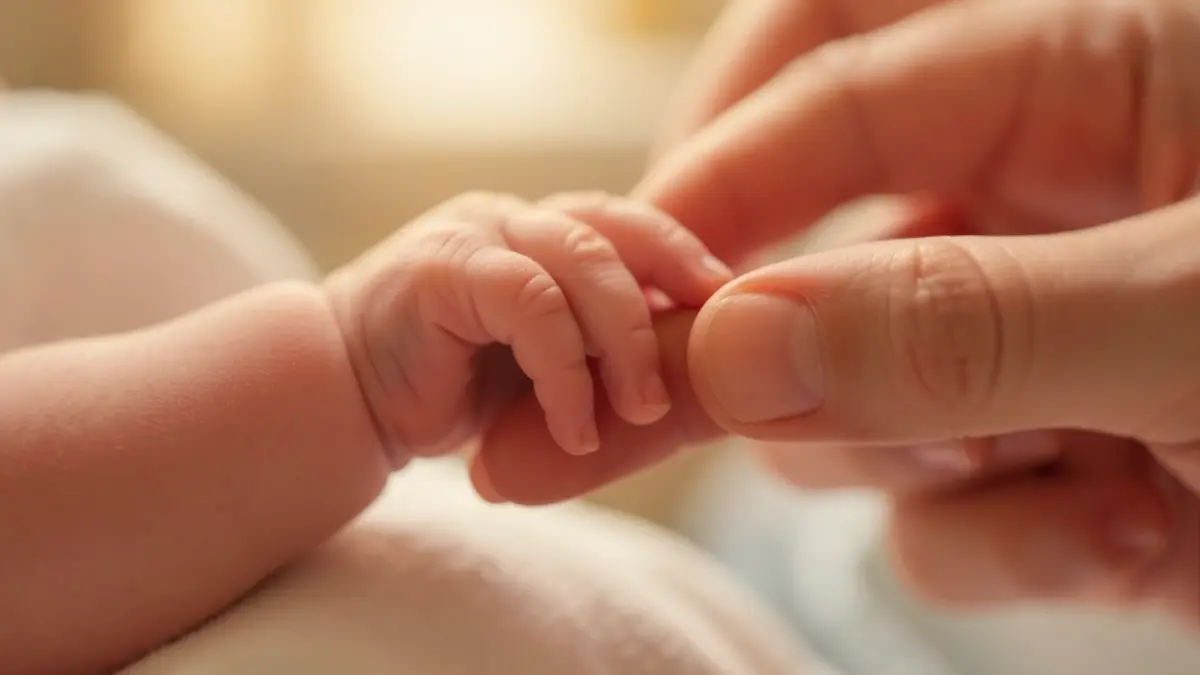
Concurrently, the role of families has been profoundly redefined. Neonatology units are shifting from a model focused on technical care to an approach where parents are considered essential partners. Parental presence, skin-to-skin contact, carrying, and breastfeeding are encouraged, contributing to the child's development and the formation of family bonds. The Koala unit, inaugurated in 2005, exemplifies this philosophy with its mother-child rooms designed to preserve intimacy while maintaining a medicalized environment.
Today, parents actively participate in their child's daily care when the infant's condition allows. Nursing teams play a crucial role in this support, helping families interpret their baby's reactions and gain the necessary autonomy for returning home. This transformation underscores a major change: technology has become more sophisticated, yet care has moved closer to family connection.
HUDERF's neonatology benefits from the presence of numerous pediatric specialties on a single site, enabling comprehensive multidisciplinary care. The H.U.B Neonatology Department, led by Prof. Aline Vuckovic, now unites the teams from the Children's Hospital and Erasme Hospital, ensuring continuity of care from the prenatal period through post-hospitalization follow-up.
Attention has also extended to the neurodevelopmental follow-up of children after their discharge from the hospital. H.U.B is a reference center for structured follow-up until the age of 5, aiming to detect potential motor, cognitive, or behavioral difficulties early on. The goal is to provide every child, from their very first moments of life, with the best conditions to grow and develop.