
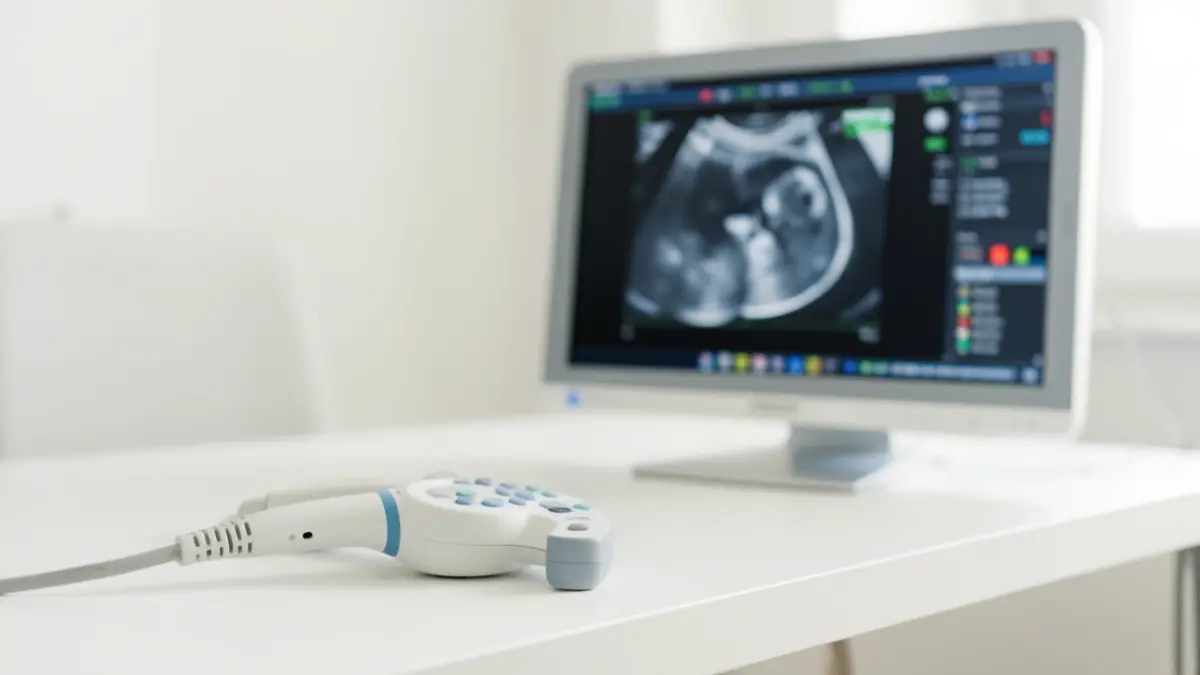
This scientific day brought specialists together with a common goal: to raise awareness of the possibilities offered by interventional radiology in managing gynecological conditions. The aim is also to promote the integration of these methods into patients' care pathways. The central message highlighted during the discussions is that different medical and surgical techniques do not oppose each other, but are complementary and should be considered according to each patient's needs.
Interventional radiology comprises techniques that treat certain diseases by intervening directly in the body under medical imaging control. Unlike traditional surgery, these minimally invasive procedures limit trauma, avoid certain operations, and facilitate recovery. Several gynecological conditions can benefit from these approaches, notably uterine fibroids, which are common benign tumours sometimes causing heavy periods or pain. For some patients, uterine artery embolisation represents an alternative to surgery.
Discussions also covered other indications, such as parietal nodules of endometriosis and adenomyosis, where embolisation may be considered to reduce symptoms. Pelvic varicose veins, causing chronic pain in some women, can also be treated with embolisation techniques. Male infertility, linked to varicocele, is also subject to interventional radiology management in certain indications. These treatments are not systematic solutions; their relevance depends on each clinical situation and specialist assessment.
One of the main takeaways from this symposium is the importance of collaboration between gynaecologists and interventional radiologists. The interventional radiologist should not be seen as a mere technician; their role begins in consultation, where they explain possibilities and limits, perform the procedure, and provide follow-up. This involvement allows for truly multidisciplinary care. This collaboration is also essential in emergencies, such as postpartum haemorrhage, where embolisation can help control bleeding and avoid more extensive surgery.
H.U.B. is one of the Belgian pioneers in uterine fibroid embolisation, with experience dating back to the late 1990s. The symposium fits into the desire to share knowledge and make techniques more accessible to patients who may not currently have access to them. Future developments are numerous, including cryoablation, which uses cold to destroy targeted tissues, and imaging advances that should improve the precision of these interventions.