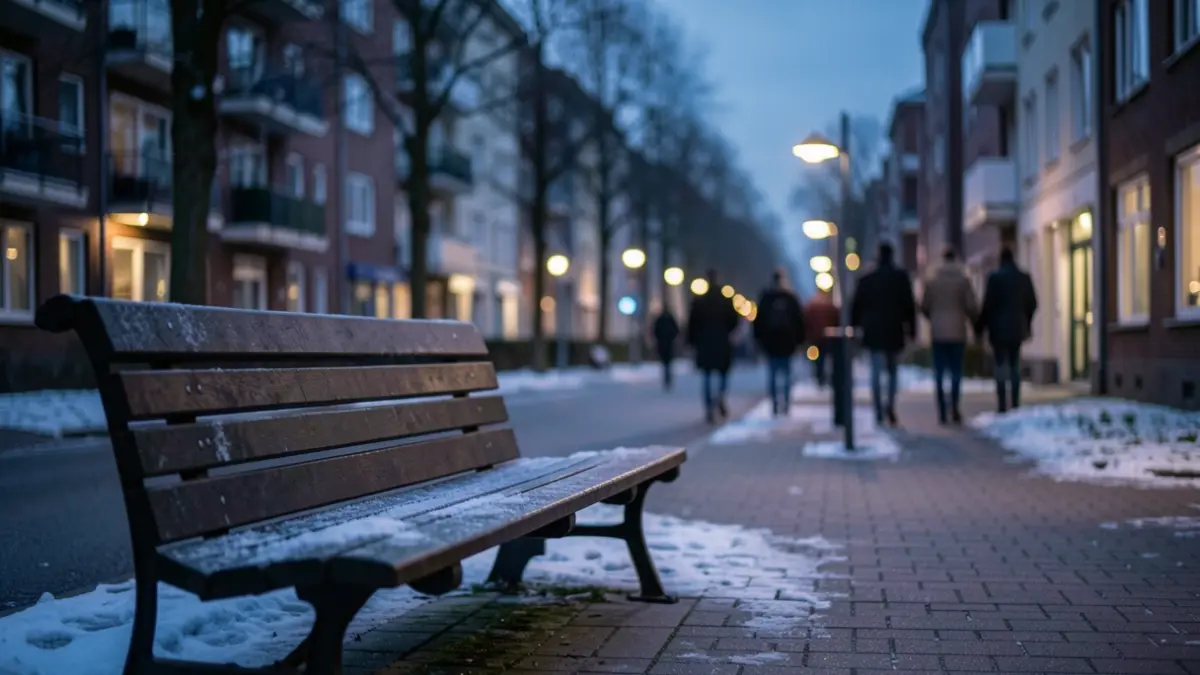
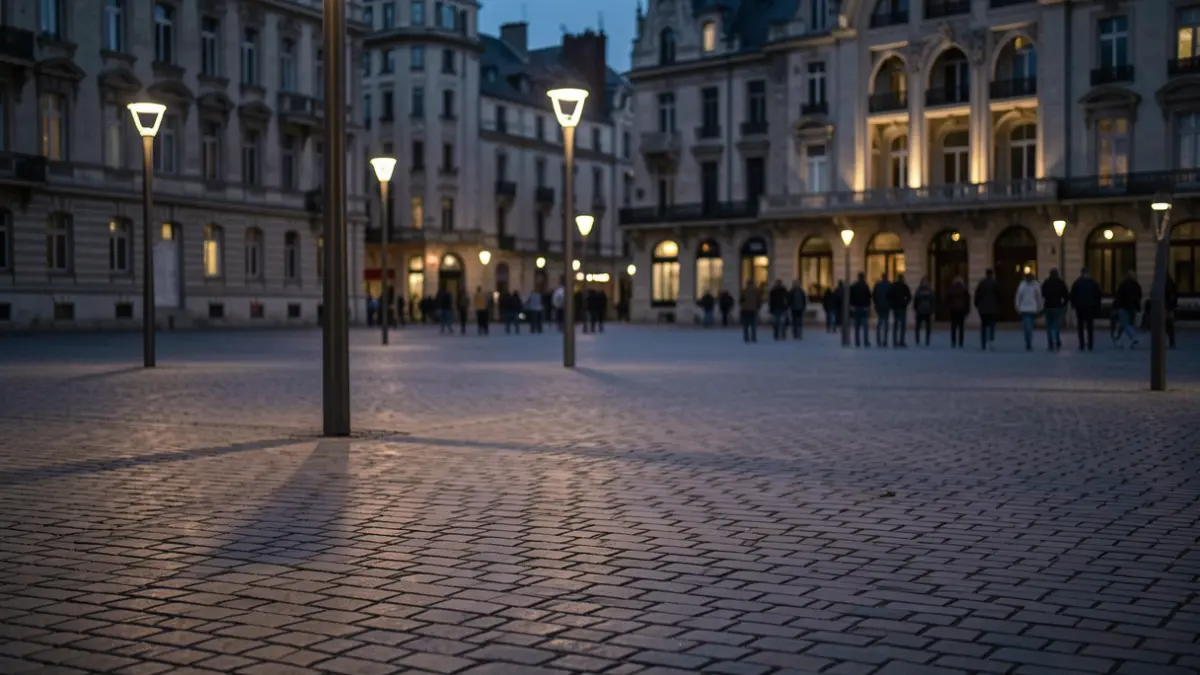
Globally, one in three women faces violence, and in Belgium, nearly one in three women has experienced domestic violence. In response, Urban aims to raise awareness about the importance of creating a safe, accessible, and inclusive living environment. While violence against women is not confined to public spaces, urban planning plays a crucial role in freedom of movement and the sense of security.
An inclusive public space must account for diverse needs and experiences. For women, clear pathways, good visibility, accessible facilities, and social presence contribute to a stronger sense of security. Integrating a gender perspective into urban planning involves questioning the obstacles encountered by users and how different groups are involved in designing spaces.
Within its urban planning and renovation missions, Urban supports initiatives promoting accessibility. One key initiative is the Public Spaces Manual, developed in collaboration with the temporary association ORG Urbanism & Architecture and the Bas Smets Bureau. This practical document, created with expertise from ASBL L'architecture qui dégenre, aims to integrate inclusive planning principles into permit analysis and urban development.
Access to public toilets is another essential element. Urban financially supported ASBL Garance in developing a 'Public Toilets Plan' to map existing facilities and recommend improvements. These infrastructures allow women and other users to enjoy public spaces more comfortably and independently.
Citizen participation is encouraged through Sustainable Neighbourhood Contracts, Urban Renovation Contracts, and City Policy. These programmes foster the involvement of diverse groups, including women and vulnerable persons, to better address the plurality of needs in the development of Brussels neighbourhoods.