Despite a dry start to autumn, vigilance remains high in the Brussels Region regarding drought. The Regional Drought Cell, meeting on September 23, 2026, under the coordination platform for water policy, reviewed the situation, with a particular focus on drinking water supply. Operators such as VIVAQUA and Bruxelles Environnement, along with crisis management services (safe.brussels), participated in this assessment.
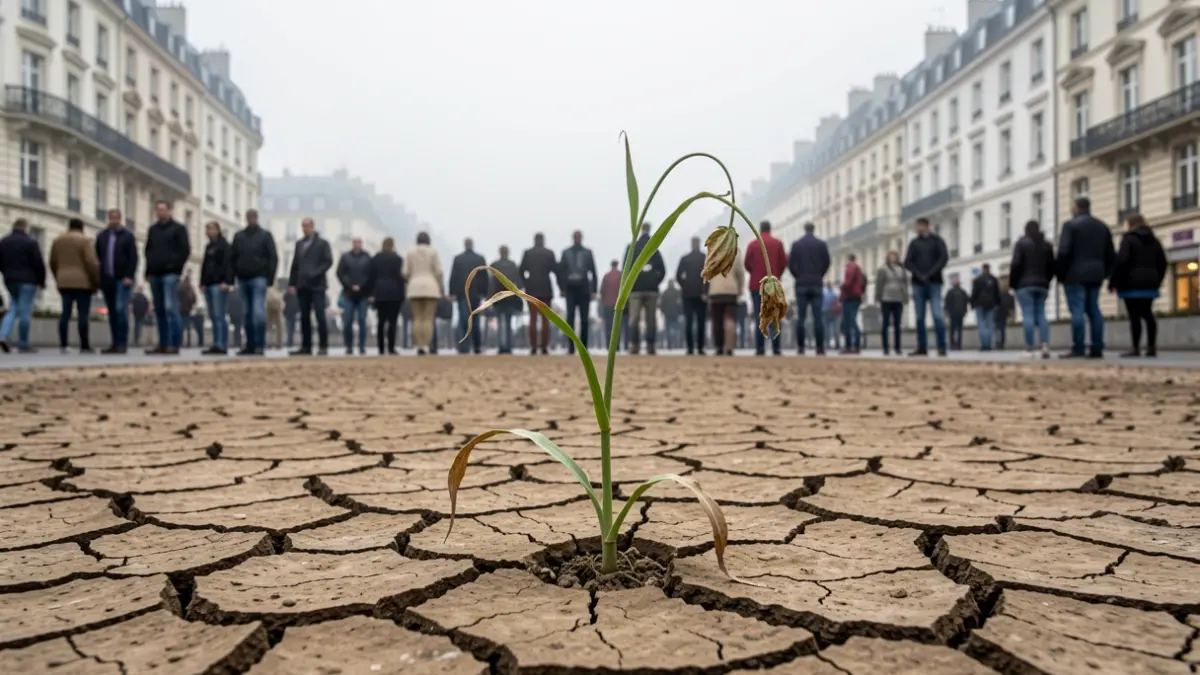
Following a spring and summer marked by drought and several heatwaves, the early autumn has also been exceptionally dry. The current situation justifies maintaining the yellow level, the vigilance phase, which entails specific measures and a call for the sensible use of tap water. This is a collective responsibility shared by public administrations, citizens, businesses, and sports clubs.
Several indicators support the decision to maintain the yellow code. The IRM's forecasts do not predict significant precipitation in the short term, exacerbating the drought situation, which has moved from 'dry' to 'extremely dry' in the Brussels Region. Drinking water production and distribution by VIVAQUA are proceeding normally, but consumption trends are being closely monitored. The flow rates of non-navigable watercourses are not critical for the season, although two ponds are affected by cyanobacteria: the Leybeek in Watermael-Boitsfort and a pond in Roi Baudouin Park in Jette. Groundwater levels continue to decline, reaching below-average levels for the season.
The risk of fires in natural environments remains 'green', but caution is advised. Bruxelles Environnement reminds the public that lighting fires in forests and regional green spaces is prohibited, as is discarding cigarette butts. Restrictions on pleasure boating have been lifted due to normal water levels.
Although drinking water production and distribution are currently normal, VIVAQUA is closely monitoring the situation and has production capacity that can be mobilized if necessary. The flow rate of the Meuse river, crucial for VIVAQUA's intake site at Tailfer, remains low and is being carefully monitored in dialogue with Walloon authorities.
Given the persistent drought, it is recommended to conserve water. Simple actions include avoiding non-essential uses of tap water (cleaning vehicles, terraces, watering lawns), using rainwater or shower water for plants, taking short showers instead of baths, turning off the tap while soaping or brushing teeth, and using water-saving toilet flushes.